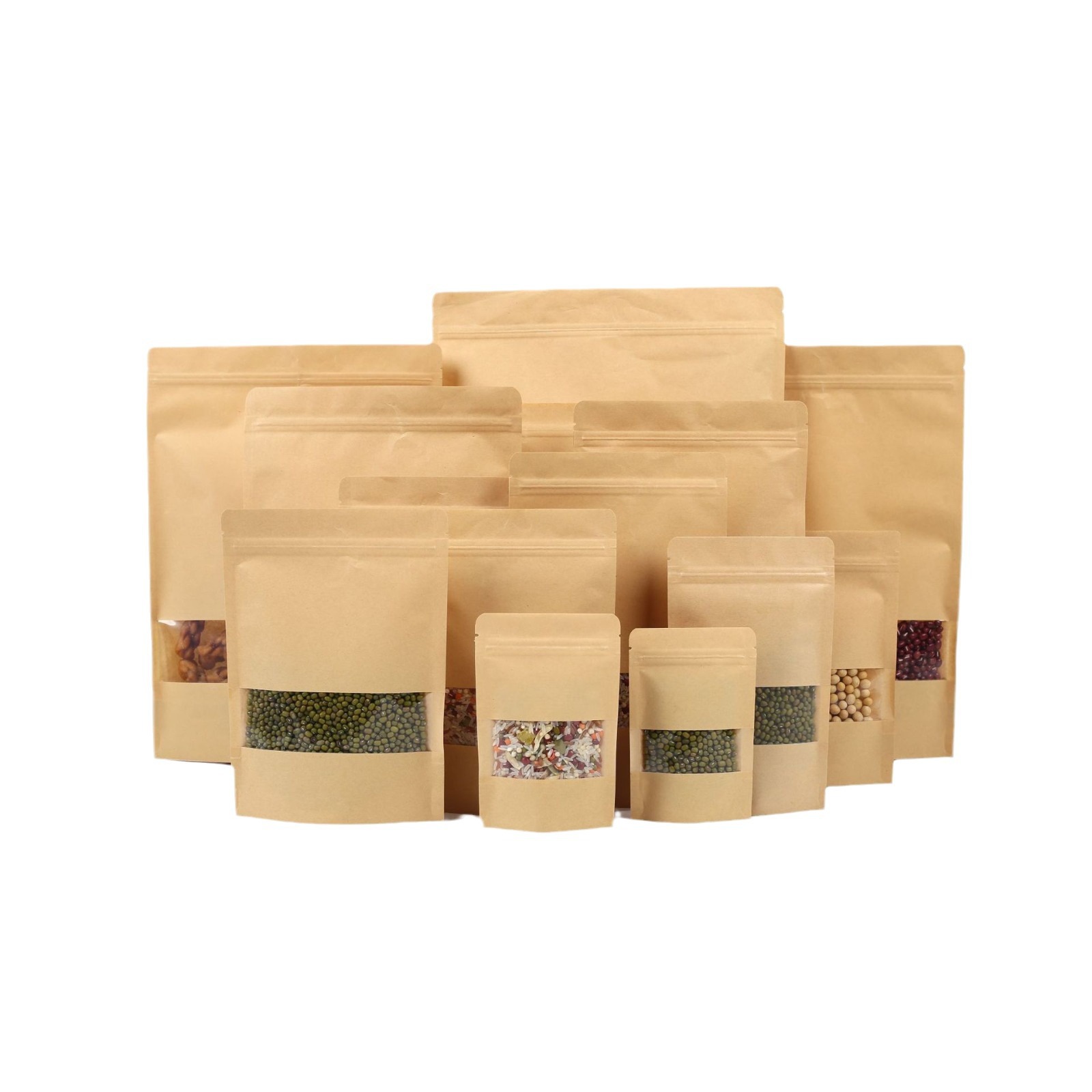
Use product visibility, barrier needs, shelf storytelling and filling method to decide whether a window bag or a no-window kraft bag is the better route.
Key Takeaways
- Window bags are strongest when the product itself helps sell the pack.
- No-window bags give more printable area and a more private look for light-sensitive or premium positioning.
- Stand-up and flat structures behave differently even before the window decision is made.
- The filling method and barrier expectation should be confirmed before artwork is finalized.
Use a window when visibility is part of the sales strategy
For snacks, bakery items, tea and handmade goods, the product itself often does part of the selling. A clear window helps buyers understand color, texture and fill level before they pick up the bag.
This is especially useful when the brand is new or when multiple flavors sit next to each other on the shelf. The window reduces hesitation because the pack immediately proves what is inside.
- Good for cookies, granola, dried fruit, tea and bakery gift packs.
- Useful when color, texture or visible inclusions help sell the product.
- Often paired with stand-up shelf display or flat hanging presentation.
Choose no-window when branding or protection matters more
A no-window kraft bag gives the brand more uninterrupted printable space and can create a cleaner premium look. It is also the safer option when the product should not be exposed to extra light during shelf display.
Coffee, powder and some private-label food projects often lean toward no-window structures because the pack needs to work harder for shelf identity and information layout.
- Better for stronger front-panel branding and ingredient storytelling.
- Helpful when product privacy or light shielding is part of the brief.
- Often preferred for coffee, powder and premium refill formats.
Stand-up pouch and flat bag are separate decisions
Buyers sometimes compare window and no-window bags without deciding whether the pack should stand or lie flat. That creates unnecessary confusion because a stand-up zipper pouch and a flat heat-seal bag solve different merchandising problems.
Choose the pouch format first, then decide whether the product should be visible. That order makes specification discussions much faster.
- Stand-up pouches are stronger for shelf presence and repeat-open use.
- Flat bags are simpler for samples, bakery items and compact retail packs.
- The window shape should support the filling area and seal area, not fight them.
Confirm the RFQ checklist before artwork review
Buddery normally needs size, paper or laminate structure, zipper requirement, window preference, filling method and target quantity before preparing a firm quotation. Artwork comes after the structure is basically right.
If the buyer already has a competitor pack or current sample, sending that reference usually shortens the discussion much faster than a text-only inquiry.
- Pack size and target net weight
- Window or no-window preference
- Zipper, heat seal and display requirement
Need Support?
Need help choosing a kraft bag structure?
Send product weight, size target and whether shelf visibility matters. Buddery can suggest the right pouch format before artwork work starts.